


Introduction
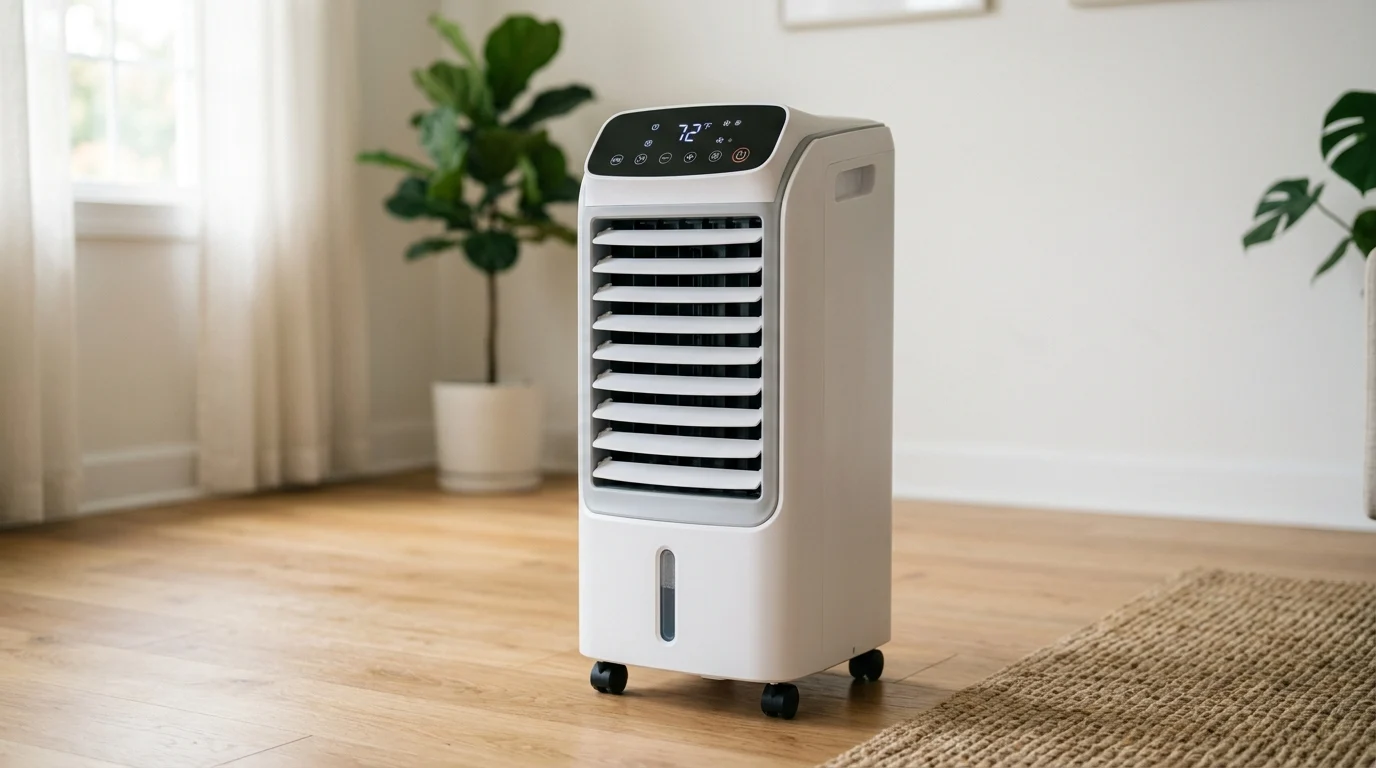
Choosing between an Air Cooling System and liquid cooling affects far more than temperature control. It shapes rack density limits, energy use, maintenance complexity, uptime, and long-term expansion costs across data centers, telecom sites, and industrial electronics. This article focuses on air cooling as the baseline approach, then explains how it differs from liquid-based designs in performance, infrastructure demands, and best-fit use cases. By the end, readers will have a clear framework for comparing both methods, understanding where air cooling remains practical, and recognizing when higher heat loads may justify a move to liquid cooling.
Air vs liquid cooling: decision frame
Thermal management remains a critical bottleneck in scaling high-density compute, telecommunications, and industrial power electronics. As silicon power density increases, facility operators must evaluate the fundamental architectural divergence between an air cooling system and liquid-based thermal management. The decision dictates not only the immediate capital expenditure but also the long-term facility footprint, energy efficiency, and operational resilience.
Impact on uptime and operating cost
The choice of cooling architecture directly influences system reliability and facility operating expenses. An optimized air cooling system typically achieves a Power Usage Effectiveness (PUE) between 1.2 and 1.5 in modern data centers. In contrast, direct-to-chip or immersion liquid cooling can drive PUE down to the 1.03 to 1.10 range by eliminating energy-intensive computer room air handlers (CRAHs) and chiller plants. Furthermore, thermal throttling—a major cause of micro-downtime and latency—is significantly mitigated when operating temperatures are tightly controlled, preserving expensive compute cycles.
Where each approach fits best
Air cooling remains the de facto standard for infrastructure operating at or below 15 to 20 kilowatts (kW) per rack. Within this thermal envelope, forced convection provides sufficient heat dissipation without the complexity of fluid loops. Conversely, liquid cooling becomes an engineering necessity when rack densities scale between 30 kW and 100+ kW. Such extreme densities, typical in high-performance computing (HPC) and artificial intelligence (AI) training clusters, generate localized heat fluxes that simply exceed the volumetric heat capacity of moving air.
How air and liquid cooling work
The efficacy of any thermal management architecture is governed by thermodynamics and fluid mechanics—specifically, the specific heat capacity and thermal conductivity of the working fluid. Understanding the physical mechanisms of heat transfer provides clarity on why certain operational limits exist for each methodology.
How air cooling removes heat
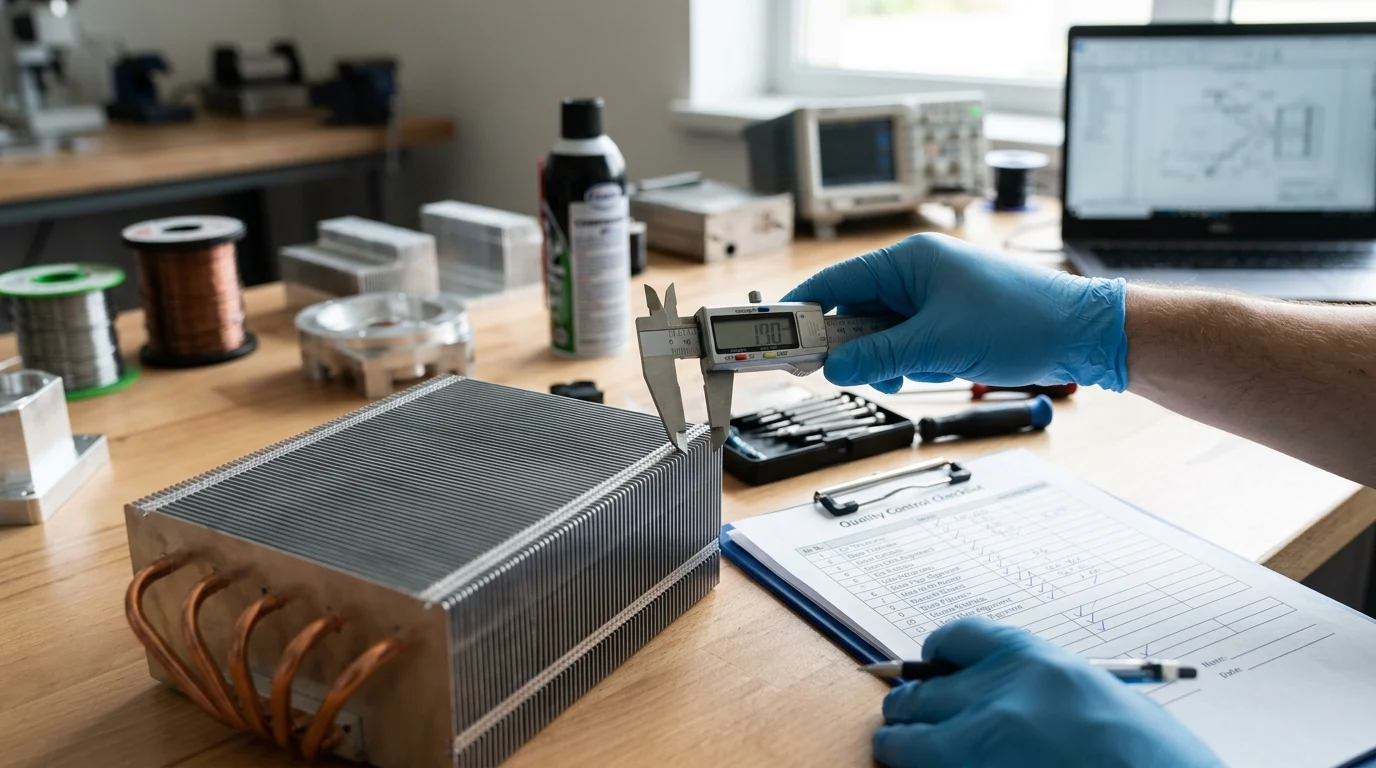
An air cooling system removes heat through forced convection. High-velocity fans push ambient or chilled air across extended-surface heat sinks, typically manufactured from extruded aluminum or skived copper. The thermal conductivity of air at room temperature is exceptionally low—approximately 0.026 W/m·K. To compensate for this low conductivity, systems require massive volumetric airflow, often measured in hundreds of Cubic Feet per Minute (CFM) per server chassis. This high-velocity airflow consequently generates significant acoustic noise and vibration that can negatively impact hardware longevity, such as hard disk drive (HDD) performance.
How liquid cooling removes heat
Liquid cooling intercepts heat either through conduction via cold plates attached directly to high-power components or through total immersion in engineered dielectric fluids. Water, frequently used in facility-level loops and secondary cooling distribution units (CDUs), possesses a thermal conductivity of roughly 0.6 W/m·K—over 20 times greater than air. Single-phase engineered dielectric fluids offer lower conductivity (around 0.06 to 0.14 W/m·K) than water but allow safe, direct contact with active electronics, stripping heat away through vigorous fluid circulation or two-phase boiling.
Key performance differences
The most critical differentiator in performance is the convective Heat Transfer coefficient (h). A high-performance air cooling system generally achieves an 'h' value between 10 and 100 W/(m²·K). Liquid cooling systems, however, routinely achieve coefficients between 1,000 and 10,000 W/(m²·K), depending on whether the system utilizes single-phase flow or two-phase vaporization. This massive discrepancy allows liquid systems to maintain lower component junction temperatures, enabling modern processors to sustain turbo-boost clock speeds indefinitely rather than throttling under severe thermal loads.
Cost and performance comparison
Transitioning from technical principles to financial and operational realities requires a rigorous Total Cost of Ownership (TCO) analysis. While liquid cooling offers superior thermal performance, the economic justification depends heavily on scale, deployment density, and local utility costs.
Specification points to compare
To accurately compare an air cooling system against liquid cooling alternatives, engineers must evaluate several overlapping specifications. The table below outlines standard comparative metrics for high-density enterprise deployments.
| Specification Metric | Advanced Air Cooling System | Direct-to-Chip Liquid Cooling |
|---|---|---|
| Max Supported Rack Density | ~25 kW | 100+ kW |
| Coolant Supply Temp (ASHRAE) | 18°C to 27°C (Class A1) | Up to 45°C (W4/W5) |
| Convective Heat Transfer (h) | 10 – 100 W/(m²·K) | 1,000 – 10,000 W/(m²·K) |
| Typical PUE Contribution | 1.25 – 1.50 | 1.03 – 1.10 |
| Facility Plumbing Required | No (Perimeter only) | Yes (Distributed to the rack) |
Capex, energy use, and maintenance
Capital expenditure (Capex) for air-cooled environments is highly front-loaded into facility-level HVAC, raised floors, and hot/cold aisle containment systems. At the rack level, air cooling hardware is inexpensive, typically adding only a few hundred dollars per chassis. In contrast, liquid cooling requires a higher localized Capex—often $30,000 to $50,000 per rack for manifolds, CDUs, and specialized liquid-ready chassis. However, this initial premium is frequently offset by operational expenditure (Opex) reductions. Liquid cooling typically yields a 20% to 30% reduction in total facility energy use by eliminating high-RPM server fans and allowing the use of warmer facility water, which vastly increases the hours of free cooling (economization) available per year.
Operational and installation factors
Deploying advanced thermal management requires strict adherence to facility constraints and safety standards. The physical environment must be capable of supporting the chosen architecture's weight, plumbing layout, and maintenance workflows without compromising structural integrity or uptime.
Environment and facility constraints
Facility structural limits often dictate the feasibility of cooling upgrades. A traditional air cooling system relies on raised floors with a standard load-bearing capacity of roughly 250 lbs per square foot. Liquid cooling deployments, particularly immersion cooling tanks, represent massive point loads that can exceed 350 to 500 lbs per square foot, frequently necessitating structural floor reinforcement or slab-on-grade deployment. Additionally, air-cooled environments require strict ambient humidity controls (typically 40% to 60% relative humidity) to prevent electrostatic discharge (ESD) or condensation, whereas closed-loop liquid systems are largely isolated from ambient psychrometric variables.
Standards and safety requirements
Safety and compliance standards differ vastly between the two architectures. An air cooling system must comply with ASHRAE TC 9.9 thermal guidelines and standard UL/IEC 62368-1 for IT equipment safety. Liquid cooling introduces the unique risk of catastrophic fluid leaks within the data hall. Therefore, these systems must integrate active leak detection tape, redundant drip pans, and automated shutoff solenoid valves. Furthermore, immersion cooling fluids must maintain strict dielectric strength requirements—typically exceeding 30 kV breakdown voltage—to ensure that trace fluid degradation or contamination does not result in electrical short circuits across exposed printed circuit boards.
Retrofit and service complexity
Service complexity heavily impacts the Mean Time to Repair (MTTR). In an air-cooled chassis, replacing a failed rotor or fan module is a hot-swappable procedure taking less than 60 seconds. Servicing liquid-cooled infrastructure is inherently more invasive. While modern blind-mate dripless connectors (such as those adhering to OCP ORV3 specifications) have significantly simplified cold plate maintenance, catastrophic loop failures or immersion tank servicing require full fluid evacuation, specialized handling of heavy or slippery coolants, and rigorous purging of trapped air during system refills.
How to choose the right system
Selecting the optimal thermal architecture is not a binary choice but a strategic alignment of IT hardware roadmaps, facility capabilities, and sustainability targets. A systematic approach prevents over-engineering while protecting against debilitating thermal bottlenecks.
Step-by-step evaluation process
Engineers should apply a phased evaluation matrix to determine the most viable cooling strategy. The following evaluation matrix highlights the primary decision gates used by infrastructure planners.
| Evaluation Phase | Assessment Criteria | Threshold for Liquid Cooling |
|---|---|---|
| 1. Silicon TDP | Peak wattage of CPU/GPU | Components exceeding 500W TDP |
| 2. Rack Density | Total kW draw per IT rack | Sustained loads > 30 kW |
| 3. Facility Constraints | Floor loading & ceiling height | Slab floors capable of >350 lbs/sq ft |
| 4. Sustainability | Corporate PUE & WUE goals | Mandates requiring PUE < 1.15 |
When air cooling is the better option
An air cooling system remains the superior choice for enterprise environments characterized by predictable, moderate-density workloads. Facilities operating legacy hardware architectures, edge computing sites with limited plumbing access, and standard telecommunications closets are best served by the simplicity and low Capex of air. If the maximum rack density remains reliably under 20 kW, the massive capital required to retrofit facility-level water loops or localized CDUs will not yield a positive return on investment within the standard 3- to 5-year hardware refresh cycle.
When liquid cooling is the better option
Liquid cooling shifts from an optional upgrade to a mandatory requirement when deploying next-generation accelerator clusters. As leading GPUs exceed 700W Thermal Design Power (TDP) and CPUs cross the 400W threshold, standard air cooling systems fail to prevent thermal throttling, regardless of fan speed or heat sink mass. Furthermore, liquid cooling is the better option for organizations operating in regions with exorbitant electricity rates or those facing strict regulatory limits on data center power consumption, as it fundamentally decouples high-density compute from unsustainable HVAC energy penalties.
Key Takeaways
- The most important conclusions and rationale for air cooling system
- Specs, compliance, and risk checks worth validating before you commit
- Practical next steps and caveats readers can apply immediately
Frequently Asked Questions
When is an air cooling system the better choice?
Air cooling is typically best for loads up to about 15–20 kW per rack, where simpler design, lower upfront cost, and easier maintenance matter more than maximum heat removal.
Why does liquid cooling remove heat more effectively than air?
Liquids have much higher thermal conductivity and heat capacity than air, so they move heat away faster and keep component temperatures more stable under heavy loads.
What are the main trade-offs of an air cooling system?
Air cooling is simpler and cheaper to deploy, but it needs higher airflow, creates more noise, and becomes less efficient as rack density rises.
Can Senjun support air cooling projects for refrigeration and HVAC/R equipment?
Yes. Senjun supplies condensers, evaporators, fin heat exchangers, unit coolers, motors, and related parts for OEM refrigeration and HVAC/R applications.
How should buyers compare air cooling and liquid cooling options?
Compare heat load, space limits, energy use, maintenance complexity, noise, and total cost of ownership. For moderate densities, air cooling often remains the most practical option.